We’re On Facebook
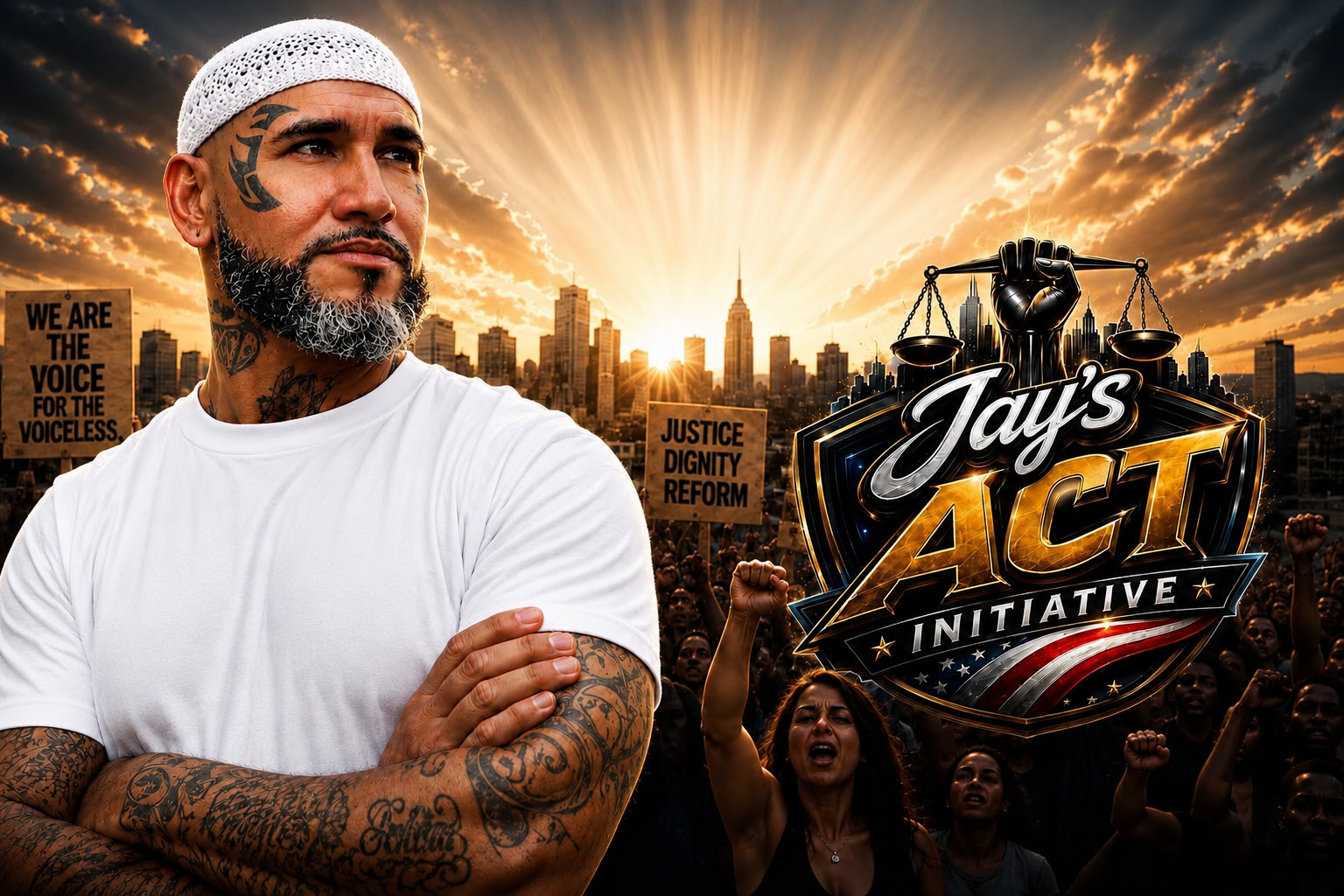
a justice-focused movement dedicated to addressing wrongful incarceration, medical neglect in correctional facilities, and systemic failures within the criminal justice system.
a CALL FOR CHANGE- CLICK PLAY
Proud collaboration with:
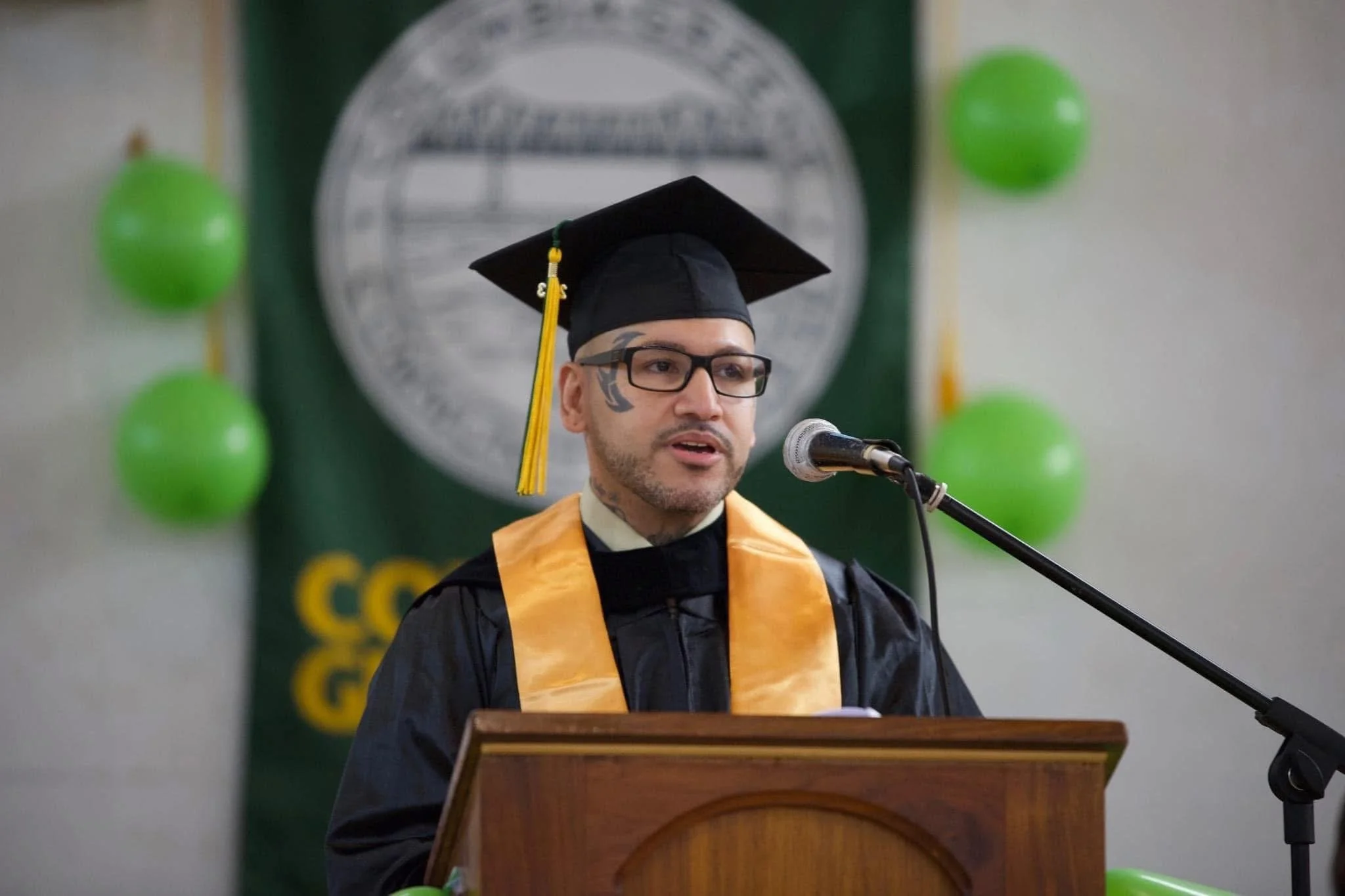
About Jose “Jay” Rodriguez — and Why the Jay Act Exists
Who is “Jay” — and why the Jay Act exists
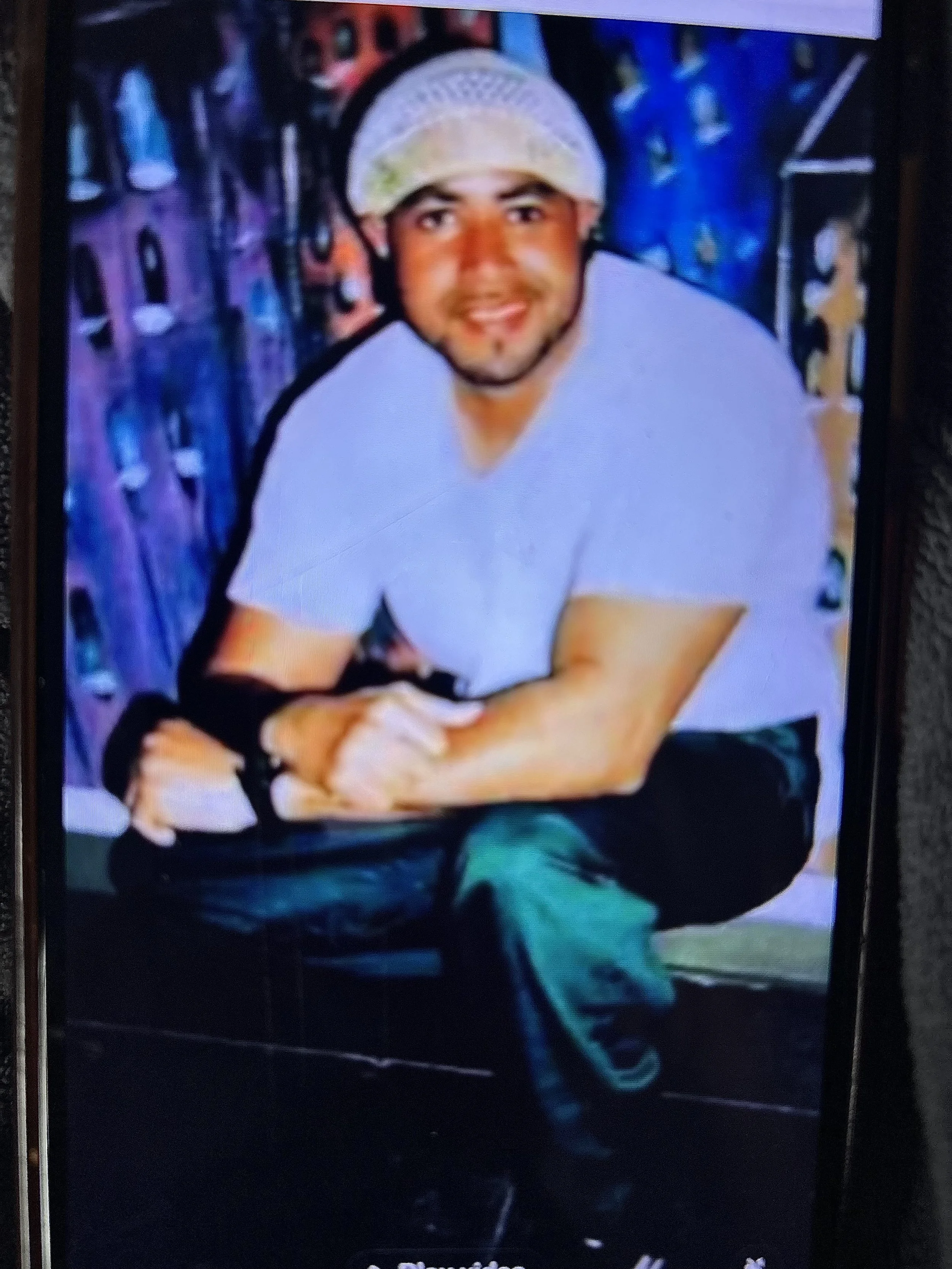
Jose “Jay” Rodriguez is my brother.
Before anything else—before the system, before the sentence, before the labels—he is family. He is someone who laughs, who guides others, who has mentored the people around him even while living in one of the most unforgiving environments imaginable.
For more than a decade, Jay has been incarcerated. And for years, I have watched from the outside as he has tried to survive not just confinement—but neglect.
He has asked for help.
He has followed the rules.
He has filed grievances.
He has been approved for care.
And still… he waits.
Today, Jay is battling squamous cell carcinoma—a cancer that began on his eyelid. What should have been addressed early, what should have been treated with urgency, was instead met with delay, inaction, and medical indifference.
Now, that cancer has progressed—attaching to his eyeball and possibly spreading to his neck.
This is what neglect looks like.
This is what delay costs.
There is a particular kind of pain that comes with knowing someone you love is suffering—and you cannot reach them. That their health is declining while requests go unanswered. That decisions about their care are delayed, ignored, or lost in a system that moves without urgency for the people inside it.
You start to realize something devastating:
This is not an exception. This is happening to people every single day.
And yet—even now, in the middle of his own fight—Jay continues to show up for others.
While battling cancer, he has continued to advocate, to guide, and to uplift the people around him. He has earned accomplishments, built respect, and used his voice to support others who feel forgotten. In a place designed to break people, he has chosen to build.
The Jay Act Advocacy & Legal Reform Initiative was born out of that realization—and out of refusal.
Refusal to accept that incarceration should mean neglect.
Refusal to stay silent while lives are treated as disposable.
Refusal to let my brother’s suffering—and the suffering of so many others—go unseen.
This is bigger than Jay. But it starts with him.
The Jay Act is a demand for humanity inside a system that too often forgets it. It is a call for timely, adequate medical care. For accountability when institutions fail. For transparency where there has been silence.
Most of all, it is a promise:
That we will not look away.
That we will not stop pushing.
That we will fight—for Jay, and for every person whose voice has been ignored behind prison walls.
Because no one deserves to suffer in silence.
And no system should be allowed to operate without answering for that suffering.
Change Starts With Your Voice
〰️
Change Starts With Your Voice 〰️
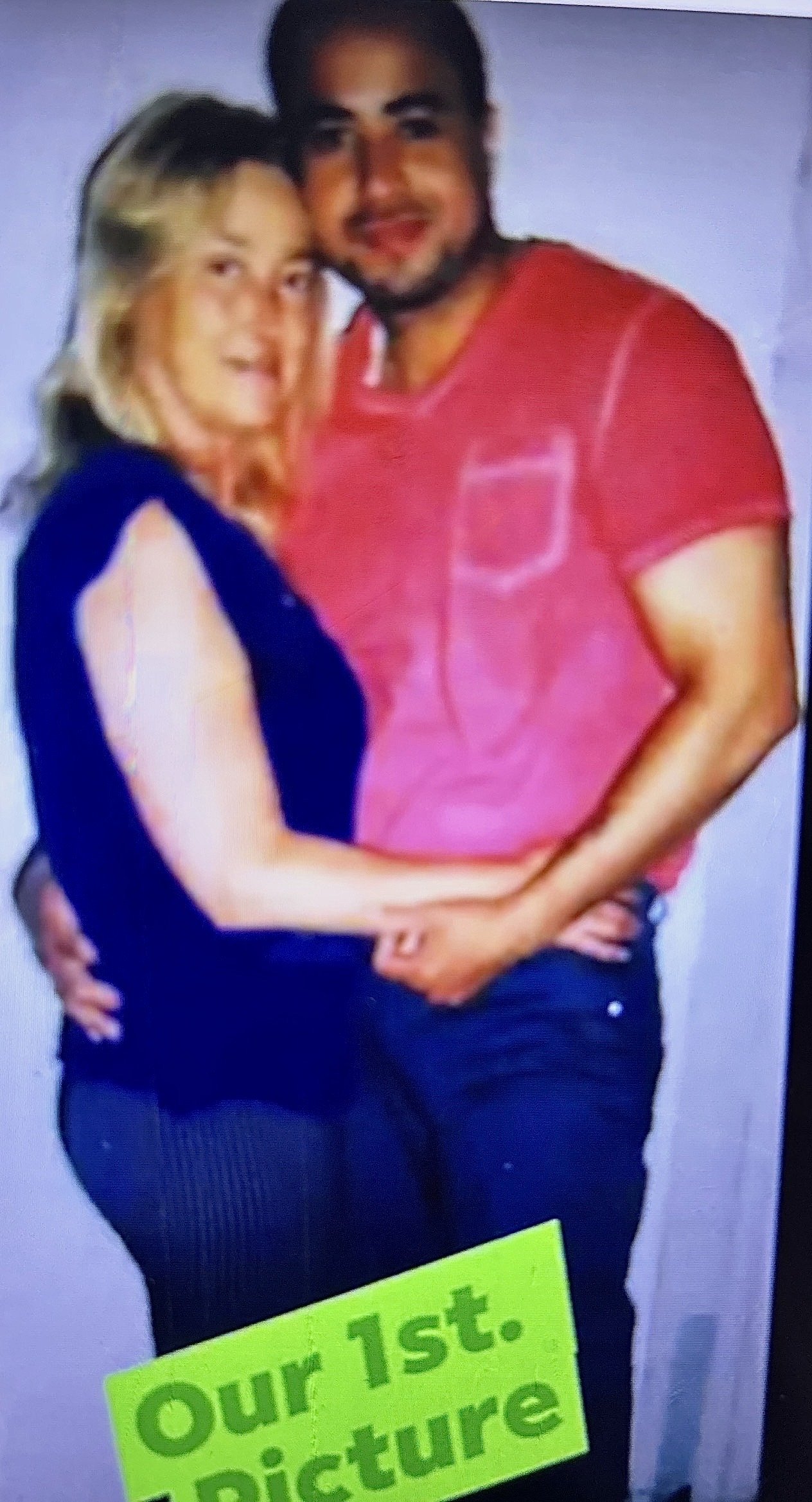
“I feel so bad for other families cause I know first hand how it is to lose a loved one at the hands of the prison system. They just look at them as if they are a piece of garbage to be disregarded”
Toby Nunez
A VOICE BEYOND THE GRAVE - RAUL NUNEZ
Raul Nunez should still be alive.
Instead, his voice reaches us only through court filings, medical records, and the haunting timeline of a man who begged for help and was met with delay. While incarcerated at Green Haven Correctional Facility, Raul repeatedly reported severe pain, weight loss, and fainting—clear warning signs that something was terribly wrong. But his suffering was minimized, treated as routine, dismissed as manageable. It wasn’t.
By the time Raul was finally sent to an outside hospital in June 2019, the truth could no longer be ignored: he had advanced pancreatic cancer. A diagnosis that came not at the first cry for help—but at the brink of death. Shortly after, Raul was gone.
The court would later call this negligence, not deliberate indifference. But what is the difference to a man who died waiting? What is the legal distinction worth when measured against a human life?
And yet—Raul’s voice did not die with him.
It lives through his widow, Toby Nunez, who carries his story in a way no court record ever could. She keeps his ashes—because, as she says, she “couldn’t let him go.” Some of him remains with her, while some has been returned to his home country, the Dominican Republic. Even in death, he exists between places—between where he suffered, and where he belongs.
Through her, Raul still speaks.
He speaks in grief that refuses to be silenced. In love that refuses to be buried. In the quiet, devastating truth that his life might have been saved if someone had listened sooner.
Raul Nunez’s story is not just about one man. It is about a system where accountability fades behind prison walls, where suffering is too often unseen, and where voices are silenced long before death.
But Raul still speaks.
He speaks through the gaps in his care, through the delay that cost him his life, and through every unanswered question his death leaves behind. His story demands more than acknowledgment—it demands change.
Because justice should not end at incarceration. And medical care should never come too late.
If we listen closely, Raul’s voice is still here—beyond the grave—asking us one simple question:
Who will be next?
Make an impact
・
Create change
・
Empower Others
・
Make an impact ・ Create change ・ Empower Others ・
Make an impact
・
Create change
・
Empower Others
・
Make an impact ・ Create change ・ Empower Others ・
Contact Us
Interested in working together? Fill out some info and we will be in touch shortly. We can’t wait to hear from you!